When you click the link, it will take you to the corresponding page.
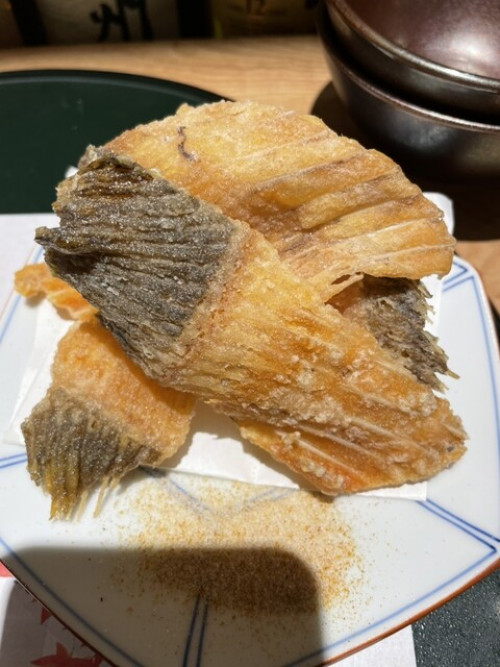
ふぐ唐揚げ
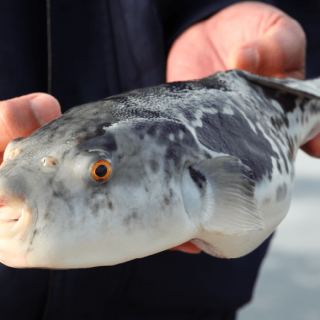
One of Japan’s must-try winter delicacies is fugu (河豚, pufferfish). Some foreign tourists even visit Japan specifically to enjoy fugu cuisine. Among the many species, tora-fugu (とらふぐ, tiger pufferfish) is considered the most premium. Fugu sashimi is called "tessa" (てっさ). It has a light, clean taste due to its low fat content and a chewy texture. The skin, when lightly parboiled (yubiki, 湯引き), is also enjoyed for its firm and gelatinous texture. Fugu nabe (hot pot) is known as "tecchiri" (てっちり). Other specialties include grilled fugu (yaki-fugu, 焼きふぐ) and shirako (白子, fugu milt), a highly prized delicacy. Fugu dishes are typically eaten not with soy sauce but with ponzu, a citrus-based soy sauce, along with momiji oroshi, a grated daikon radish mixed with chili pepper, giving a tangy and slightly spicy flavor. Another famous fugu-related dish is hirezake (ひれ酒), where dried and roasted fugu fins are infused into warm sake, giving it a deep and distinctive flavor. The name "fugu" is said to originate from two possible sources: one theory suggests that it comes from "fuku" (吹く, meaning "to blow"), as fugu blows sand while searching for food. Another theory links it to "fukuramu" (膨らむ, meaning "to swell"), referring to how fugu inflates itself when threatened. In Shimonoseki (下関), a famous fugu-producing region, fugu is called "fuku" (ふく) because it sounds like "fuku" (福, meaning "good fortune"). Some theories suggest that the name also originates from the Korean word "bogeo" (복어, pufferfish), which transformed into "fuku" in Japanese. While Shimonoseki is known for fugu production, Osaka is the top city in Japan for fugu consumption. In Osaka, fugu is sometimes called "teppō" (鉄砲, meaning "gun"), referring to its deadly poison, similar to how a gunshot can be fatal. This is why dishes like "tessa" (てっさ, sashimi) and "tecchiri" (てっちり, hot pot) start with "tetsu" (鉄, iron), derived from "teppō." Although the flesh, skin, and milt (shirako) of fugu are edible, its other organs contain deadly poison. Therefore, it must always be prepared by licensed fugu chefs.