When you click the link, it will take you to the corresponding page.
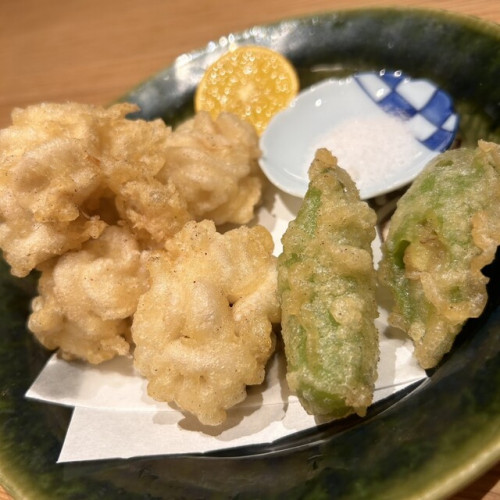
海老芋唐揚げ 湯葉あんかけ
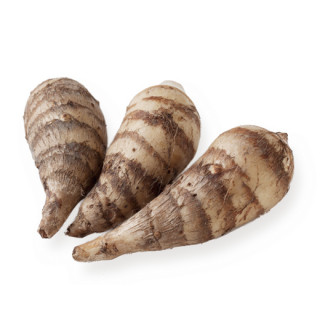
Ebi-imo (literally, shrimp taro) is a sort of taro that shell curved shape similar to shrimp. The exterior of this is a curved shape is because use of special cultivation methods, so a called "土寄せTsuchiyose" Kinki-chiho(近畿地方) from the centre in Kyoto a long time ago began to cultivate Kyoyasai京野菜, the traditional vegetables, also known as one of the "京いもKyoimo". Compared with ordinary taro, it has a delicate taste and a slight sweetness. It will not rot or change colour after being cooked for a long time and is often used as a material for stewing fish or cooking fish cakes
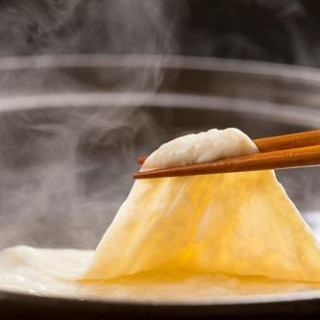
One of the Japanese ingredients that’s hard to identify without explanation is Yuba, also known as soy milk skin. As the name suggests, when soy milk is gently heated, a thin film forms on the surface where it meets the air. This delicate film is lifted with bamboo sticks to create yuba. The Japanese word “湯葉” literally means “hot water leaf,” with “湯” meaning “boil” and “葉” meaning “leaf,” describing its thin, leaf-like texture. When eaten fresh with wasabi soy sauce or used in dishes, it’s called Nama Yuba (fresh yuba). When dried, it becomes Kansō Yuba (dried yuba), which comes in various forms such as flat sheets (Hira Yuba), knotted yuba (Musubi Yuba), and rolled yuba (Maki Yuba).